


We speak to leading experts about updating your finances during this period of uncertainty
Periods of geopolitical tension can unsettle more than just global politics. For many residents in the UAE, news of conflict, volatile markets and economic uncertainty quickly raises personal financial questions. Should you move your money? Sell investments? Hold more cash?
Financial advisers say the instinct to react quickly is understandable, but often misguided. The most consistent advice is simple: do not panic. Instead, focus on preparation.
While headlines may centre on war or market swings, the real financial vulnerabilities for many households are usually closer to home. Insufficient emergency savings, high levels of debt, unclear insurance cover, and too much reliance on a single income source can leave families exposed when uncertainty rises.
In other words, resilience matters more than reaction.
Start with liquidity
For many advisers, the first place to look during uncertain times is not the stock market but your cash reserves.
Raji Kaippallil, a qualified financial adviser, says moments like this should serve as a reminder that unexpected disruptions can arrive at any time. Rather than scrambling once a crisis hits, individuals should use calmer periods to build stronger financial foundations. That means maintaining adequate emergency savings, reviewing insurance policies, reducing unnecessary debt and investing consistently over time.

When someone reviews their finances during a period of uncertainty, she says the starting point should be straightforward: emergency cash, appropriate insurance cover and a clear understanding of what those policies actually include.
Mike Coady, CEO of Skybound Wealth Management, shares a similar view. According to Coady, the greatest financial damage during crises rarely comes directly from the geopolitical event itself. It often comes from people realising too late that their finances were designed for convenience rather than resilience.
For him, the priority is liquidity. Households should be confident they can access funds quickly and cover essential costs if there is disruption to employment, travel, business activity or even banking access.
Carol Glynn, a finance coach, agrees that liquidity provides the foundation for financial stability. Cash reserves allow individuals to make rational decisions instead of reacting emotionally when markets or headlines become volatile.
Build the right buffer
So how much emergency cash should households keep?
Kaippallil suggests a general guideline of around six months of living expenses for individuals or couples. Families with children or other dependants may want to build reserves closer to 12 months.
In the UAE, this cushion can be particularly important. Many households manage multiple financial obligations, from rent and school fees to loan repayments, domestic staff costs and financial commitments to family members abroad.
Glynn notes that residency in the UAE is often tied to employment, which can increase the importance of emergency savings. If a job is lost, residency status can change quickly. A stronger financial buffer therefore helps cover living costs and, if necessary, the expense of relocating or starting again elsewhere.
Avoid emotional investment decisions
When markets become volatile, the temptation to make dramatic investment changes can be strong. Advisers warn that this is often when investors make their biggest mistakes.
Kaippallil says investment strategies should ideally be designed during calmer periods, when decisions are based on logic rather than emotion. During a crisis, reacting suddenly to headlines usually leads to poor outcomes.
History shows that markets have repeatedly weathered wars, political upheaval and economic shocks. Investors who stay disciplined and focused on long-term goals tend to fare better than those who try to predict short-term market movements.
Coady takes an even more direct stance. In his view, much of the financial damage seen during crises is self-inflicted. Investors panic, sell strong assets after markets have already fallen, or move entirely into cash and remain there for too long.
A well-constructed investment portfolio, he argues, should already assume that the world will experience instability at times. The focus should be on reviewing whether investments still align with long-term goals and time horizons, not making drastic shifts based on current headlines.
Nico Spyrou, co-founder of personal finance platform moneysaverme.com, echoes that message. He says the most common mistakes during turbulent periods include panic selling, excessive trading and chasing whatever asset appears fashionable at the moment.
Some investors sell after markets drop, while others move too heavily into cash out of fear. Both decisions can damage long-term returns.
Diversification still matters
Another key principle advisers emphasise is diversification.
Coady notes that equities remain essential for long-term growth, while bonds can provide stability and balance. Gold may offer a hedge during certain periods, but it should not be treated as a guaranteed solution. Even commodities such as oil, which can rise during geopolitical tensions, should not dominate an entire investment strategy.
Too much cash can also become a problem if people confuse short-term safety with sound long-term planning.
Glynn stresses that a diversified portfolio – one that spreads risk across different asset classes – remains one of the most effective ways to manage uncertainty.
Consider currency risk
Another factor often overlooked by UAE residents is currency exposure.
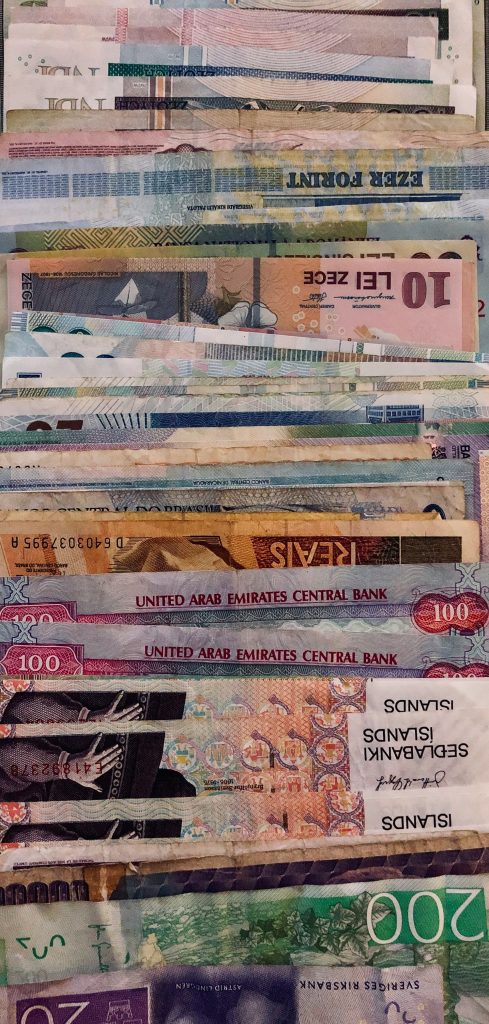
The UAE dirham is pegged to the US dollar, but many expatriates earn income in dirhams while planning long-term goals in other currencies such as pounds, euros or their home currency.
Kaippallil advises aligning long-term investments with the currency of future financial goals where possible. Someone planning to retire in the UK or Europe, for example, may want part of their investment portfolio denominated in those currencies.
Prepare for the unexpected
Beyond investments, advisers say crises highlight practical financial questions many households have never fully considered.
Do both partners know where the family’s money is held? Can they access it if needed? Is the emergency fund held across more than one account or institution? What happens if the main earner loses their job?
Insurance policies are another area often overlooked. Some policies may include exclusions, including clauses related to acts of war, that policyholders have never reviewed.
Ultimately, those who navigate crises most successfully are rarely the ones who predicted every event correctly. More often, they are the ones who prepared in advance, built resilient financial structures and avoided being forced into rushed decisions when uncertainty arrived.

